This Week in Dental Implants we are featuring a case with immediate implant placement that demonstrates in detail the modified Modified Roll Technique to build keratinized tissue.
The Need for Adequate Keratinized Tissue
The need for adequacy of keratinized tissue (KT) around dental implants is somewhat subject to debate. However, the research seems to suggest that is important to build keratinized tissue across the facial aspect whenever the existing width is < 2 mm, when tissue health, hygiene, prosthetic stability, or esthetic outcomes are compromised, or when the implant site shows inflammation or a risk of recession. Building a band of keratinized tissue on the buccal side of a dental implant is considered important because it contributes to tissue stability, easier maintenance, and better long‑term outcomes. For example, augmenting keratinized tissue (e.g., with free gingival grafts or collagen matrices) has been shown to improve clinical parameters in peri‑implant mucositis and peri‑implantitis, leading to reduced probing depths, less bleeding, and better radiographic bone stability.
The Different Options and the Modified Roll Technique
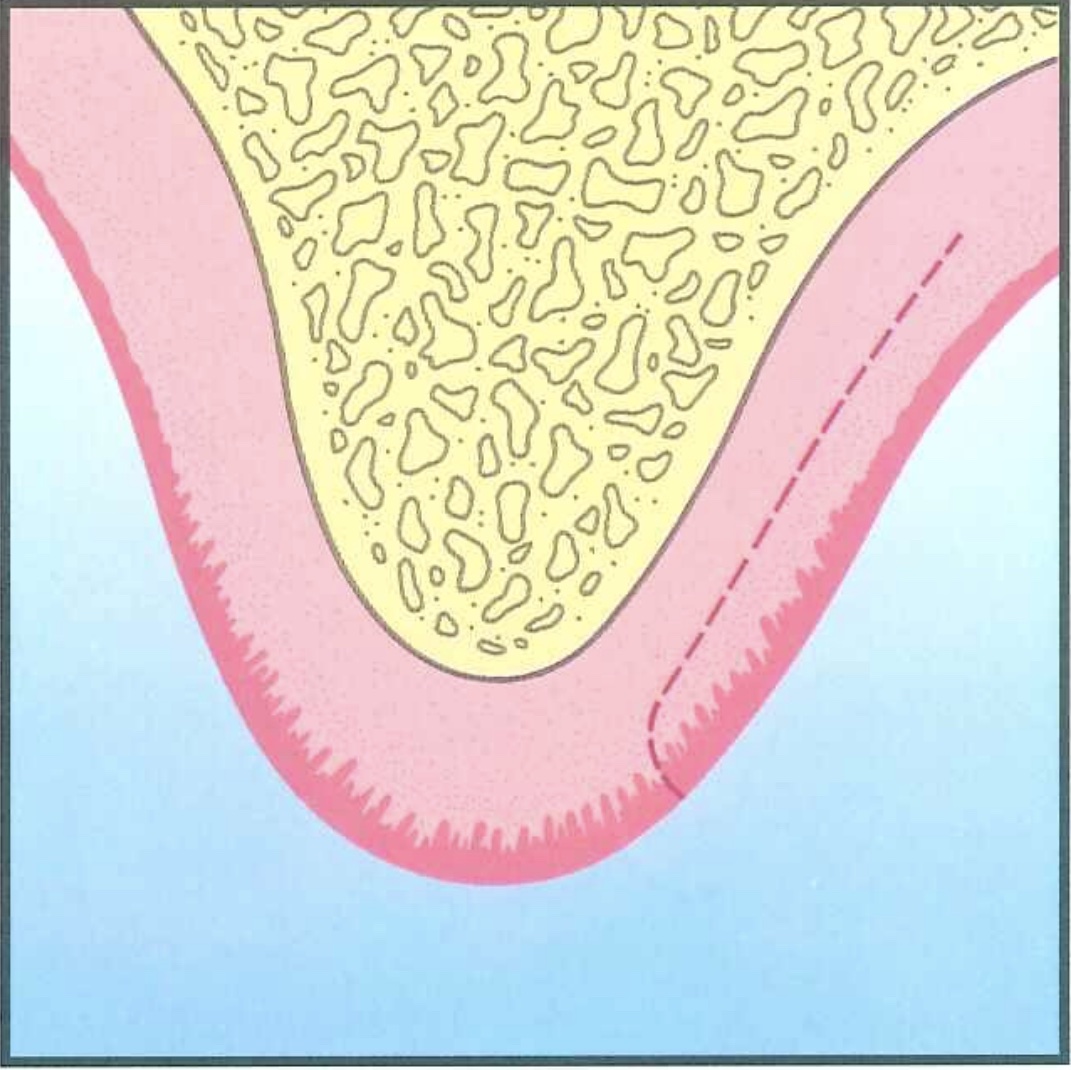
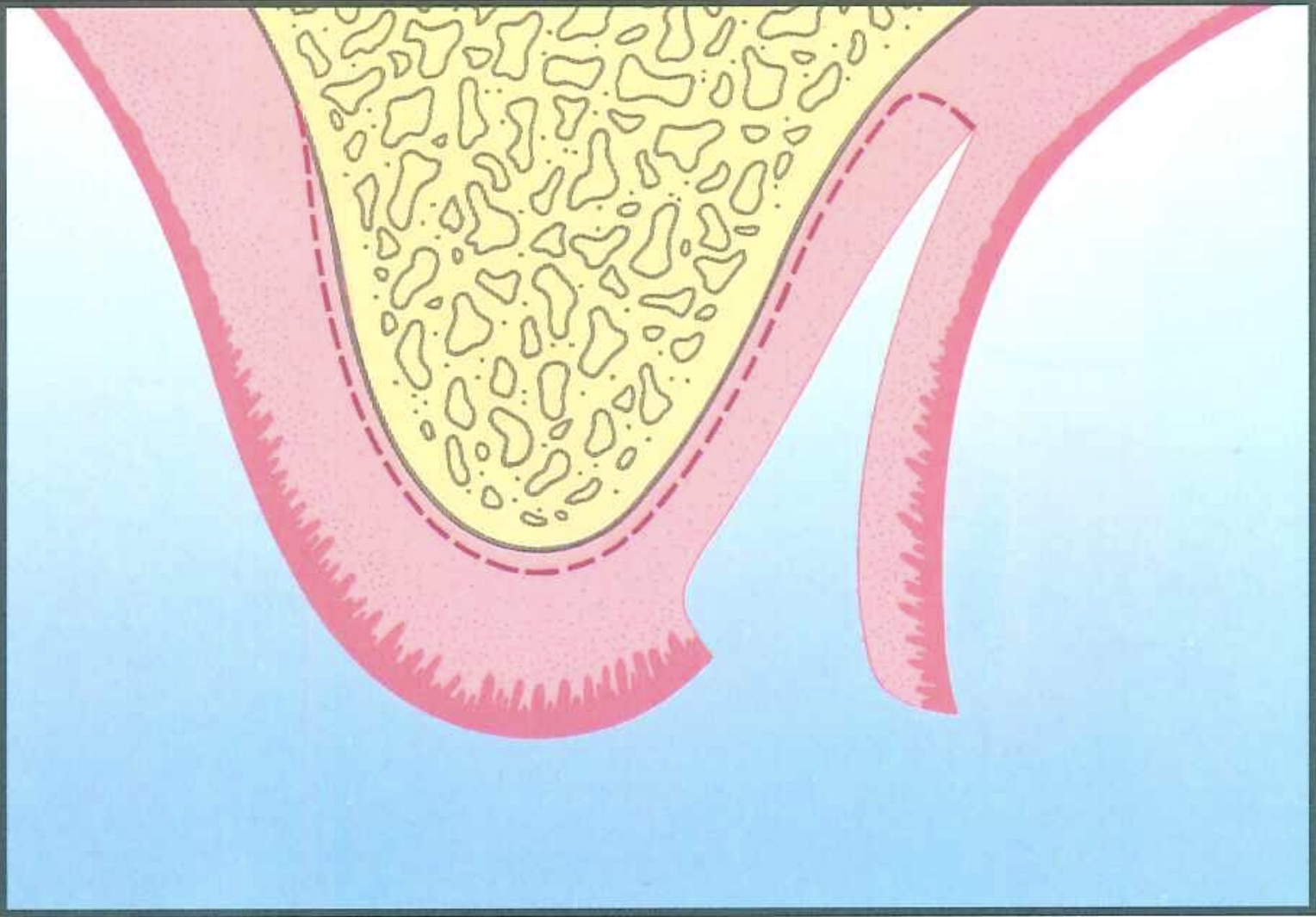
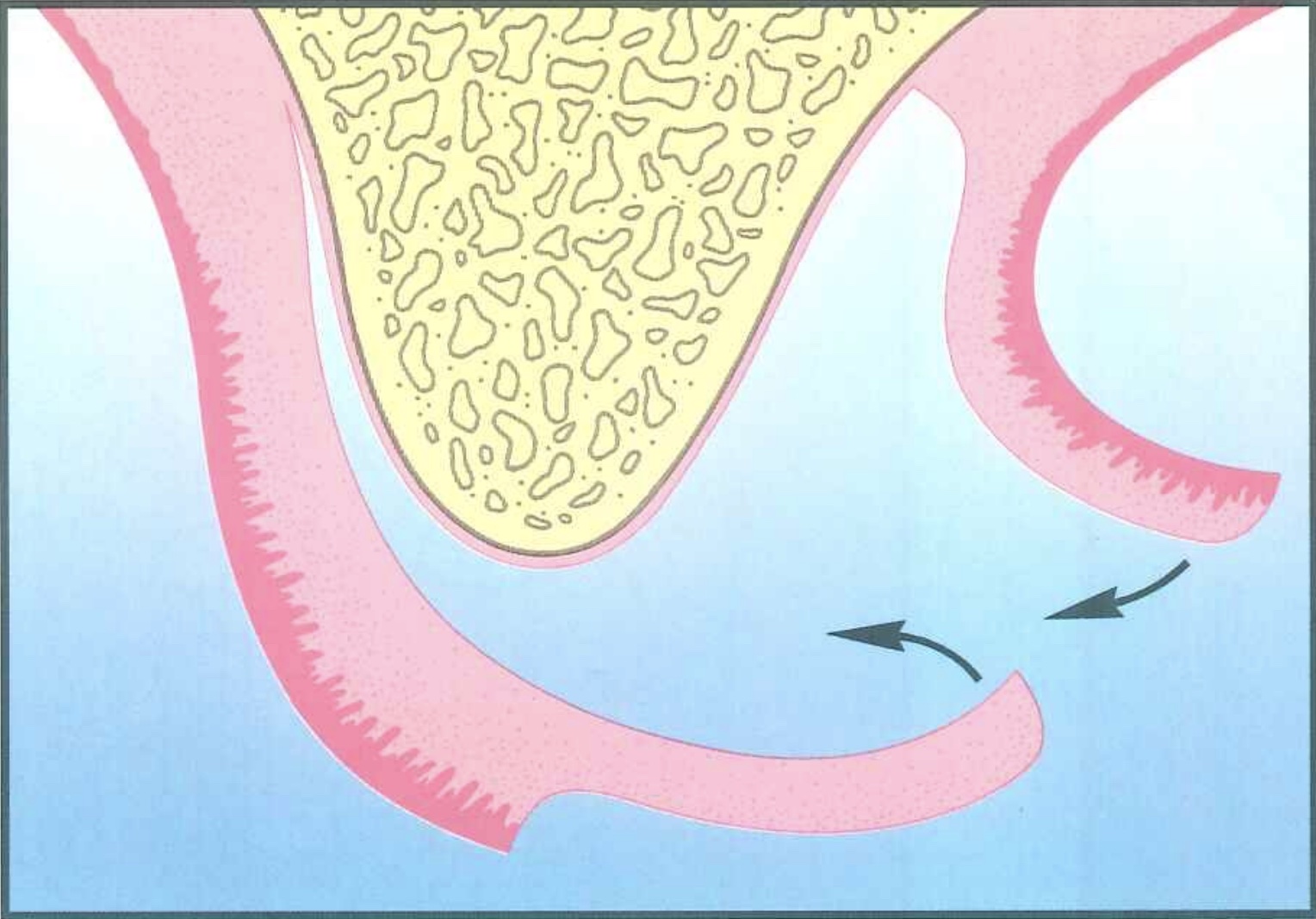
There are a wide range of surgical options available to augment keratinized tissue around dental implants, from simple flap repositioning (palatal roll, rotated pedicle, buccal pedicle sliding, apically positioned) to grafting techniques (free gingival, connective tissue) and the use of collagen‑based matrices (acellular dermal, xenogeneic collagen). One very effective way to build keratinized tissue is with the Modified Roll Technique as described by Tarnow and Scharf 1 (Int J Periodontics Restorative Dent . 1992;12(5):415-25). 1 The Modified Roll Technique involves a partial thickness flap on the palatal, separation of the connective tissue from the palatal while still maintaining it’s attachment to the buccal tissue, and finally tucking of the pedicle beneath the buccal tissue to augment the soft tissue.
Illustration of the Modified Roll Technique
Illustration from: Scharf DR, Tarnow DP. Modified roll technique for localized alveolar ridge augmentation. Int J Periodontics Restorative Dent.
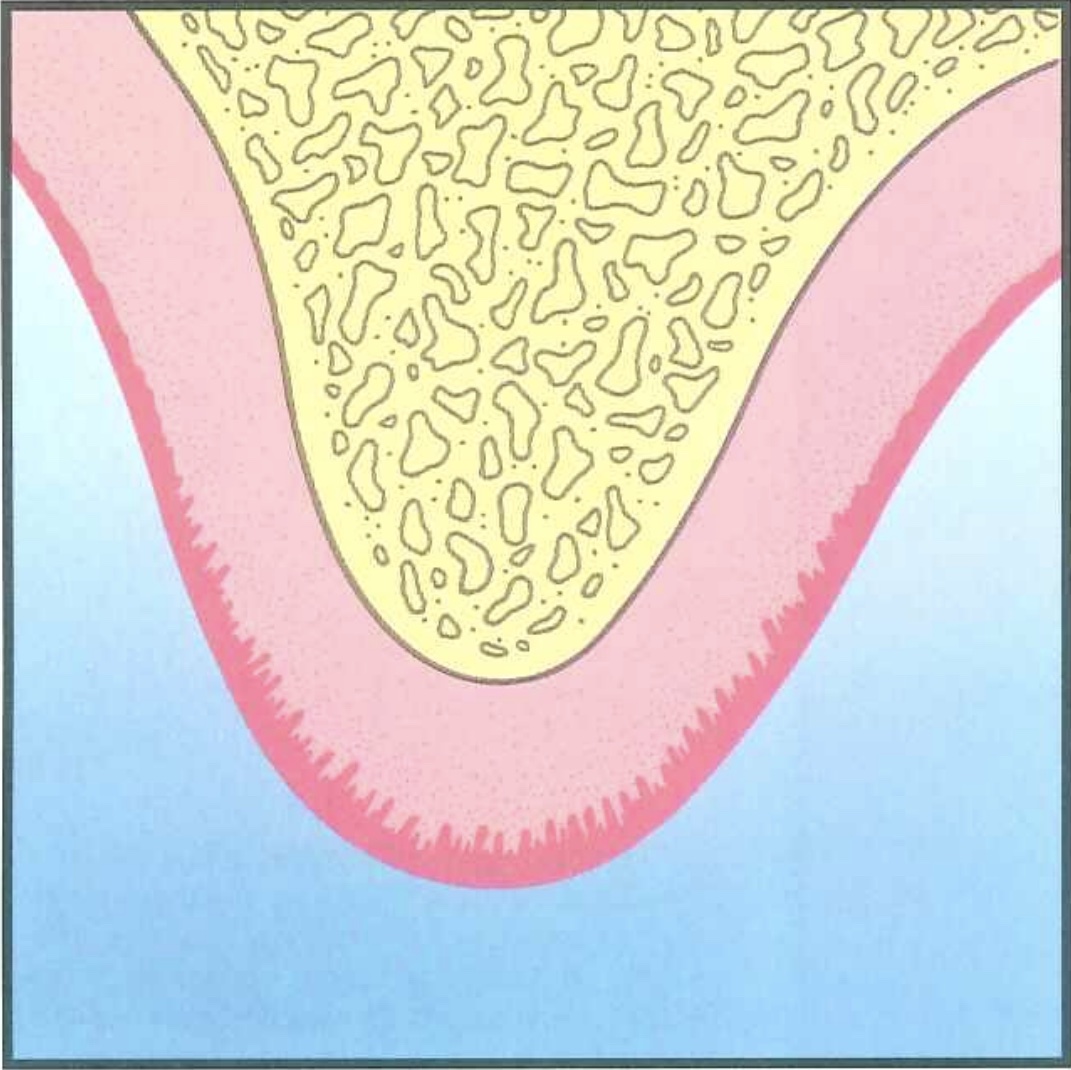
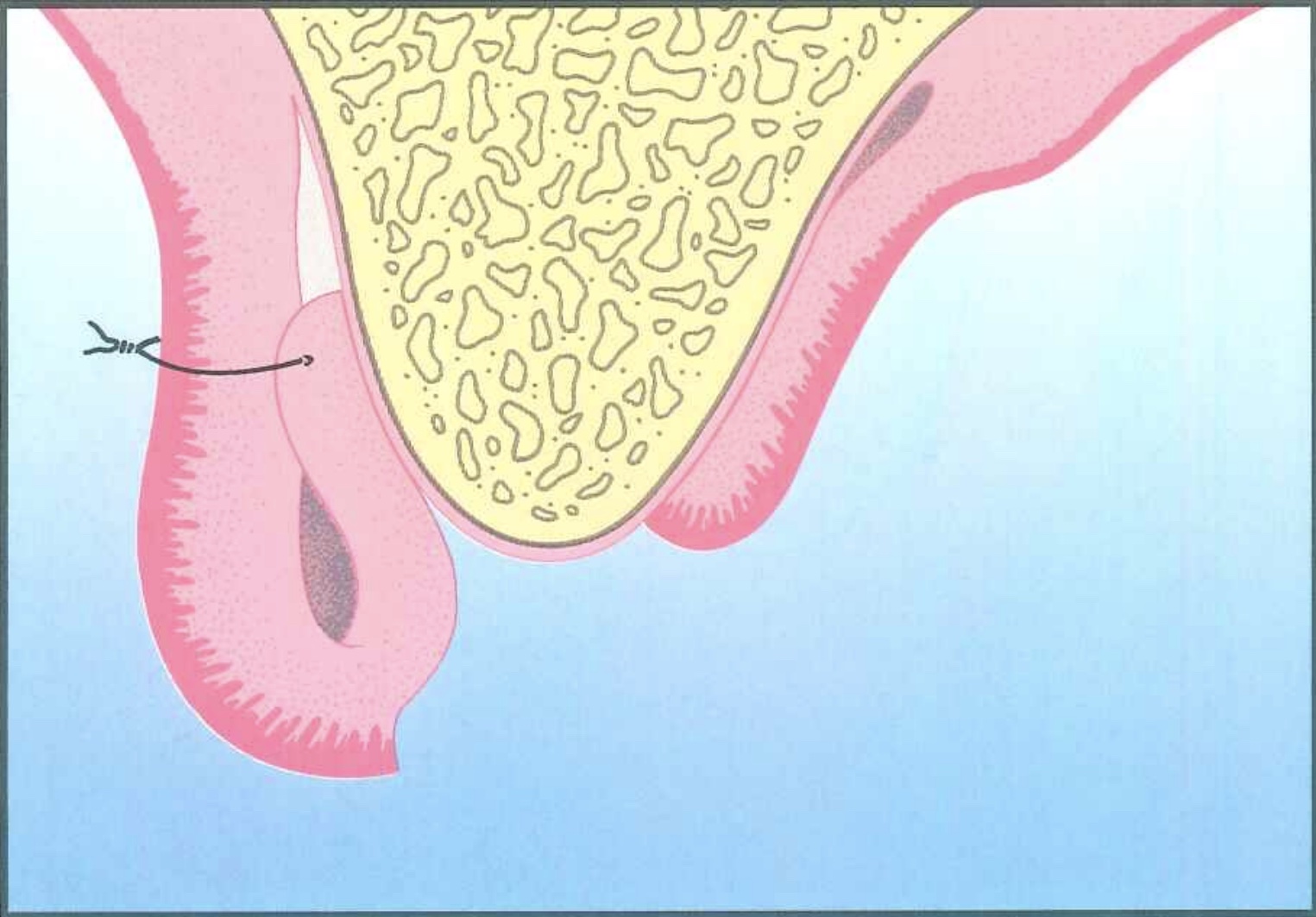
a. Edentulous ridge where augmentation is desired.
b. A pedicle of epithelium and connective tissue, at least 0.6 mm thick, is reflected toward the palate to expose the underlying donor connective tissue.
c. An incision is made horizontally along the apical extent of the connective tissue pedicle. This is used as the starting point in the reflection of the connective tissue pedicle.
d. The connective tissue pedicle is reflected toward the buccal aspect to expose the alveolar bone of the palate. A tunnel is made underneath the buccal periosteum to make room for the donor tissue.
e. The connective tissue pedicle is rolled to the buccal aspect and secured between the periosteum and the bone. The epithelial pedicle is replaced on the palate to cover the denuded donor site.
Video Case Demonstrating the Modified Roll Technique
Case Presented By: Dr. Daniel Gober, Marine Park Perio
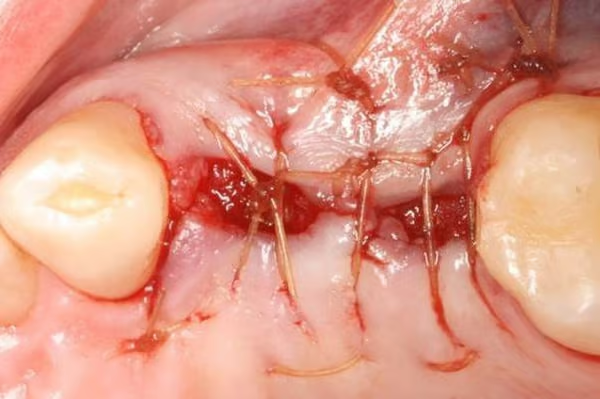
This video case involves the Immediate implant placement of implants in #12 and #13 (recurrent caries) followed by a modified palatal roll for buccal contour augmentation. The case highlights the restoration of the buccal contour using the modified roll technique. All of the steps for the technique, as described above, are detailed and covered in the video, as well as the post-op photographs showing the final results and restoration.
References
- Scharf DR, Tarnow DP. Modified roll technique for localized alveolar ridge augmentation. Int J Periodontics Restorative Dent. 1992;12(5):415-25.
- Akolu P, Lele P, Dodwad V, Yewale M. The Buccal Pedicle Sliding Flap Technique for Keratinized Tissue Augmentation During the Second-Stage Surgery: A Report of Two Cases. Cureus. 2023 Oct 2;15(10):e46362. doi: 10.7759/cureus.46362.
- Wennström JL, Derks J. Is there a need for keratinized mucosa around implants to maintain health and tissue stability? Clin Oral Implants Res. 2012 Oct;23 Suppl 6:136-46..
- Buyukozdemir Askin S, Berker E, Akincibay H, Uysal S, Erman B, Tezcan İ, Karabulut E. Necessity of keratinized tissues for dental implants: a clinical, immunological, and radiographic study. Clin Implant Dent Relat Res. 2015 Feb;17(1):1-12.
- Shaya F, Butler B, Hsu YT. Role of Keratinized Tissue on the Management of Peri-implantitis: A Case Report. Int J Periodontics Restorative Dent. 2023 Jul-Aug;43(4):517-523.